A confident smile usually isn’t something you build from just one appointment, or a quick decision, either. It tends to start with a careful checkup, honest coaching, and a treatment plan that matches the patient’s oral health, facial balance, comfort level, plus those longer-term dreams. For a lot of folks, picking the right dental team is kind of the very first move toward feeling steadier about how they look, how they speak, how their bite acts day to day, and that simple confidence that follows.
Nowadays, dentistry offers more options than most people expect, from preventive care and professional whitening to aligners, veneers, implants, and even full smile restoration. Still, when there are too many options at once, it can feel disorganized and a bit messy, unless there’s some guidance from a pro. A dependable dental provider helps patients separate what’s truly doable, what matters sooner, and what can be handled in smaller stages. So improving a smile starts to feel less like a huge, overwhelming project and more like something reachable, slowly but surely.
Dentist Guidance Helps Build a Personal Smile Plan
A skilled dentist in Queens usually doesn’t just rush into treatments, not really. They start by carefully listening to the patient’s worries, then check oral health, and only after that do they figure out what could shape the end result. Once those needs are mapped out, a clear plan means each issue gets the right level of attention.
That planning part also helps people tell apart a cosmetic preference from a real clinical requirement. A smile can look a bit off for a whole bunch of reasons, like tooth positioning, gum contour, bite pressure, staining, or prior dental work. When all those small details are handled together, the dentist can suggest sensible steps. This keeps patients from making rushed decisions and helps them move toward a smile that feels natural, balanced, and overall healthier.
Smile Assessment Creates Stronger Treatment Decisions
A good smile assessment goes beyond the surface. That broader angle matters because a plan that improves one concern shouldn’t accidentally start another one, sort of quietly. Taking time for a careful evaluation helps safeguard comfort, stability, and the long-term oral workings, too.
Patients also tend to do better when they understand where things are starting from. They might find out why whitening should happen before veneers, why gum health should be addressed before cosmetic work, or how bite issues can influence future restorations. With clear education, treatment planning becomes something shared, not just a list of steps, and more informed.
Family Dental Care Makes Planning More Convenient
A lot of households really want a dental office that can kind of manage different ages, varying needs, and those pretty mixed schedules in one spot. Family dental in Queens can make planning your smile feel a bit smoother, because patients can line up routine checkups, preventive guidance, kids’ appointments, and adult treatments with better continuity.
Also, family-focused dentistry tends to encourage longer-term habits. When children, parents, and older adults get steady guidance together, the entire household usually picks up prevention basics, hygiene routines, smarter food choices, and the right timing for treatment. Over time, that often helps reduce the risk that small concerns will turn into bigger problems. It also keeps a familiar dental team around, who basically know their history, preferences, concerns, and how care needs can change as the years roll forward.
Preventive Care Protects Smile Confidence
A confident smile is not only about cosmetic progress; it also relies on healthy teeth, resilient gums, fresh breath, and a steady bite. Regular checkups, deep cleanings, X-rays only when they are truly needed, plus hygiene coaching, make it easier for dentists to catch early warning signs, before they turn into something painful or worse, and yeah, something pricey.
Also, prevention supports better results for people weighing cosmetic or restorative options. When gums become inflamed, cavities go unnoticed, or plaque builds up, it can quietly affect how well future procedures perform. So if oral health gets handled first, patients end up building a stronger base for whitening, veneers, crowns, implants, or braces and alignment work. This sensible method helps them protect both their investment and their everyday confidence.
Cosmetic Options Should Look Natural
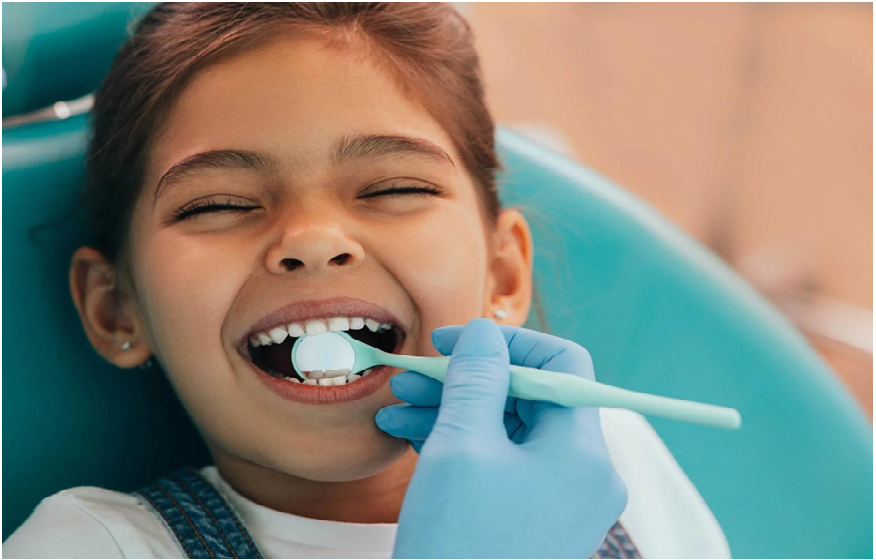
Cosmetic dentistry tends to work best when the outcome kind of matches the patient’s face, age, temperament, and yeah, their own expectations. A brighter smile shouldn’t turn into something forced or too artificial and reshaped teeth really shouldn’t feel off, like out of proportion. Treatments like whitening, bonding, veneers, clear aligners, and smile design all really need some deliberate planning so that the result looks polished but still feels kind of personal, you know, not just generic.
Patients should also get straight-up guidance on what’s actually realistic and what you’re going to have to do to keep everything looking good over time. Some stains do well with whitening, but others might need bonding, or maybe even veneers instead. A small chip can often be handled pretty quickly, while heavier wear tends to require a more comprehensive plan, kind of a bigger picture thing. A solid dental team walks people through those differences clearly, helping them pick the best options that match their goals, their budget, their timeline, and long-term oral health, too.
Restorative Dentistry Rebuilds Function and Appearance
Missing, damaged, or weakened teeth can affect way more than the smile’s appearance; it’s kind of bigger than that. They can shift chewing comfort, blur speech clarity, disturb bite balance, and even lower confidence in social moments. Restorative dentistry is there to rebuild both the function side and the aesthetics side, usually with crowns, bridges, dentures, fillings, and dental implants. A good restoration plan should feel steady and comfortable, and also look visually fitting in a natural way.
What is “right” really depends on each patient’s overall health, the bone support available, the bite condition, and what the person actually cares about most. Some people want a fixed setup, while others may lean toward a simpler plan or a more affordable pathway. A careful conversation helps compare advantages, limits, timing, and aftercare steps. In the end, it makes decisions more practical, and it can reduce anxiety about what to expect during the whole process.
A Trusted Dentist Supports Long-Term Confidence
Picking a dentist in Queens isn’t only about getting one immediate fix done; it’s more like slowly building a little rapport with a group that actually watches the patient’s dental history, the comfort concerns, and sometimes even those future goals. This sort of connection makes it feel easier for people to speak up, ask questions, stay consistent with routine checkups, and handle small issues early, before they snowball into bigger dental situations.
After a while, the confidence keeps rising, too, mainly when everything feels organized and respectful. Most patients seem to prefer clear explanations, believable timeframes, calm, kind communication, and treatment choices that aren’t rushed along. Then they can move forward, because the care is shaped by practical health needs and cosmetic aims, not just one side of the story, kind of like it all fits together.
Family Care Supports Every Stage of Oral Health
Family Dental Queens services can help people through a lot of different life stages, from a child’s first dental visit to adult smile makeovers and senior restorative care. When the team is familiar, they can keep an eye on development, reduce the chances of the same problems coming back, and fine-tune the care plans as a person’s daily habits, overall health, and personal goals change.
This longer perspective also makes family planning feel less stressful. Instead of waiting until pain shows up, they can arrange preventive checkups, talk about orthodontic timing, revisit cosmetic aims, and handle restorative needs earlier rather than later. A steady family dental setting brings a kind of clarity and convenience, while helping each patient feel more ready for both regular care and the wider choices involved in advanced treatment.
Conclusion
Getting a more confident smile sort of depends on that sweet spot between health, looks, function, and how the patient feels. The best dental care, it really begins with a careful checkup and honest communication, and then it slowly shifts to procedures that actually match what the person needs in real life. When patients can understand their options, they tend to choose with more assurance, and end up with a smile that seems natural, feels easy, and lasts.
Iconic Smiles Dental Boutique helps patients through personalized dental care, smile planning, cosmetic dentistry, family-centered services, and restorative solutions that are built around comfort and confidence. Their team guides patients to review practical treatment options in a calm, professional place, so it becomes a relevant choice for anyone wanting clearer direction and a more confident smile journey.
Frequently Asked Questions
Question: How can a dentist help improve smile confidence?
Answer: A dentist can assess tooth color, alignment, gum health, bite function, and missing or damaged teeth. They can then create a practical treatment plan that may include preventive care, whitening, cosmetic dentistry, orthodontics, or restorations, depending on the patient’s needs.
Question: Why is a smile assessment important before cosmetic treatment?
Answer: A smile assessment, kind of like a checkpoint, helps identify what is affecting the smile while treatment is still being considered. It keeps things from being overly rushed choices, and it gives the dentist a chance to suggest appropriate options according to oral health, overall facial harmony, bite comfort, and those longer-term results.
Question: Is family dental care useful for adults and children?
Answer: Yes, family dental care is useful for both adults and children in the same place. It helps households coordinate checkups, prevention routines, kids’ appointments, restorative work, and smile planning more conveniently, and it also helps the whole family build a steady relationship with the dental team.
Question: What kinds of treatments can help someone show a more confident smile?
Answer: People often go for professional cleaning, then maybe teeth whitening, bonding, or veneers. Some also choose clear aligners for gradual adjustments, or crowns when a tooth needs more support. If there are missing teeth, options can include bridges, dentures, and dental implants. Which one fits best really depends on oral health, the cosmetic aim, budget, and also how comfortable it feels long term, because no one wants surprises, right?
Question: How often should patients see the dentist?
Answer: Many people do well with a visit every six months, for routine checkups and cleanings, though some need more frequent appointments depending on gum condition, cavity risk, medical history, or if they’re in the middle of ongoing care. A dentist can guide you to the right rhythm for your case, and honestly, that varies more than people think.
